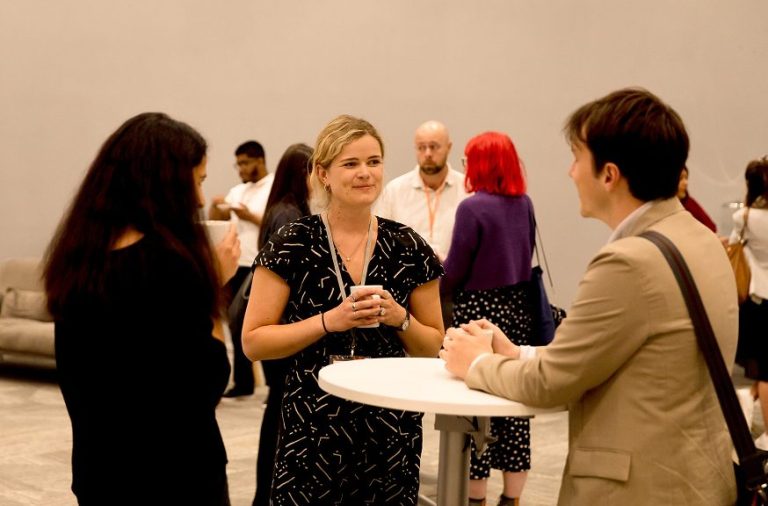
As part of Lifelong Learning Week 2024, Dr Katerina Kolyva, CEO at the Education and Training Foundation (ETF), reflects on the benefits of lifelong learning and sets out how greater investment in FE and skills could break down barriers to opportunity
This year’s Lifelong Learning Week, with its theme of ‘the case for learning’, is an opportunity to highlight the importance of providing access to learning throughout people’s lives.
Truly inclusive and broad access to lifelong learning opportunities not only enables the upskilling and reskilling of our whole workforce, but it also has the potential to boost wellbeing, foster social cohesion and reduce inequalities across our economy and society. These social, psychological and community benefits make lifelong learning a huge driver of social value, transforming the lives of so many who engage with it.
With these far-reaching benefits in mind, it is clear that lifelong learning, as a core part of the further education (FE) and skills sector, should sit at the heart of delivering the Labour Government’s vision for the country. As the Government focuses on its five key missions – to drive economic growth, accelerate clean energy, reform the NHS, lower crime, and break down barriers to opportunity – lifelong learning has a central role to play in ensuring people of all ages and backgrounds can support the realisation of these ambitious goals.
The case for learning
The reasons for learning are numerous. People might access learning to build their careers, enhance their professionalism, acquire essential life skills, or gain support for their additional needs so they can live a fulfilled life. Some people might simply learn for fun and as a way to meet new people, contributing to their overall wellbeing. In all its different forms, lifelong learning has the potential to drive enormous social value across our society and economy. By providing opportunities to people of all backgrounds and ages, nurturing wellbeing and building essential skills, the provision of lifelong learning ultimately fosters civic responsibility and supports social cohesion.
Within the broader context of delivering social value, lifelong learning in the form of reskilling and upskilling adult learners is particularly key to delivering the skills needed for the Government’s Industrial Strategy. From green energy and new technologies to health and social care, adults reskilling, upskilling, and returning to the workforce will be an important part of closing skills gaps and ensuring economic growth and prosperity for all.
So, how can the FE and skills sector support delivery of these ambitions over the next decade?
Equipping the sector to deliver lifelong learning
Lifelong learning opportunities are only possible because of the dedicated educators and leaders across the country who provide these transformative opportunities, day in and day out. For our sector to rise to the challenge of meeting the increasing skills demands of our economy, we need an FE and skills workforce that is sustainable, inclusive, resilient and agile. To achieve this, the Education and Training Foundation (ETF) is committed to the development of a workforce strategy that takes a holistic and cross-sector approach, focusing on building a sustainable FE and Skills talent pipeline, enhancing professional standards and ensuring our sector’s workforce is agile and equipped to meet future demands.
Becoming more agile involves taking a more joined-up approach across our education system. Greater integration and collaboration between FE and skills and higher education (HE), for example, has the potential to create smoother transitions for learners between levels of education, ensuring that lifelong learning becomes a reality for more people. Ultimately, the creation of a more unified and flexible tertiary education system would better meet the needs of learners and the economy.
Unlocking potential
The Government recognises that education is fundamental to delivering its agenda. However, there remains the risk that the FE and skills sector – and the lifelong learning opportunities it provides – is overlooked in favour of policy that focuses on early years, schools and universities. To build a fair, inclusive society that truly breaks down barriers to opportunity, there must be investment in FE and skills and its workforce. Only then can we unlock the potential of the nation as a whole, and deliver economic growth and prosperity for all.