



The 2026 Adult Participation in Learning Survey marks the 30th anniversary of the longest-running study of its kind. Three decades of evidence provide a perspective on what’s changed in adult learning, what hasn’t, and where progress is still needed. Strikingly, 43% of adults say they are learning currently or have done so in the last three years, only three percentage points higher than the level recorded in the first survey in 1996.
Adult learning has changed considerably over this time. Since the pandemic, learning for leisure or personal interest has become more common, rising from 20% of adult learners in 2019 to a record 46% in 2026. This is mirrored in the benefits reported by adult learners, such as personal development, meeting others, and improving health, with the latter increasing seven-fold since 2019 (3% to 20%). Online learning has also expanded rapidly, with nearly one half of learners reporting doing so online only (48%).
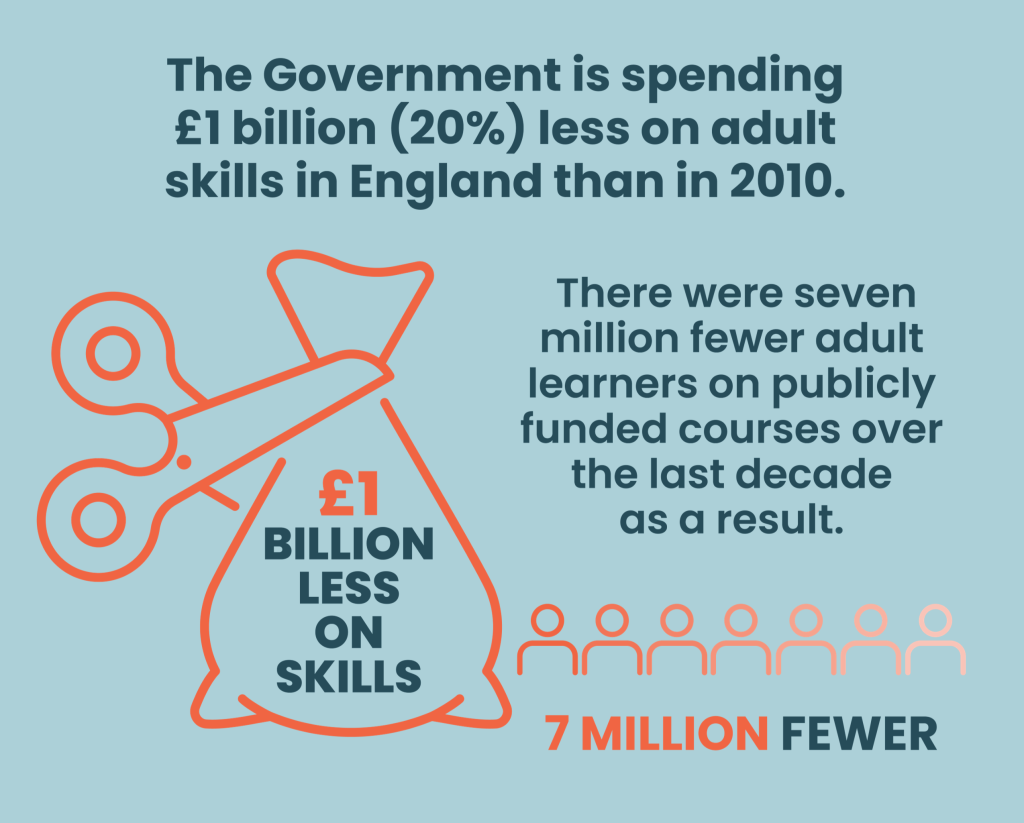
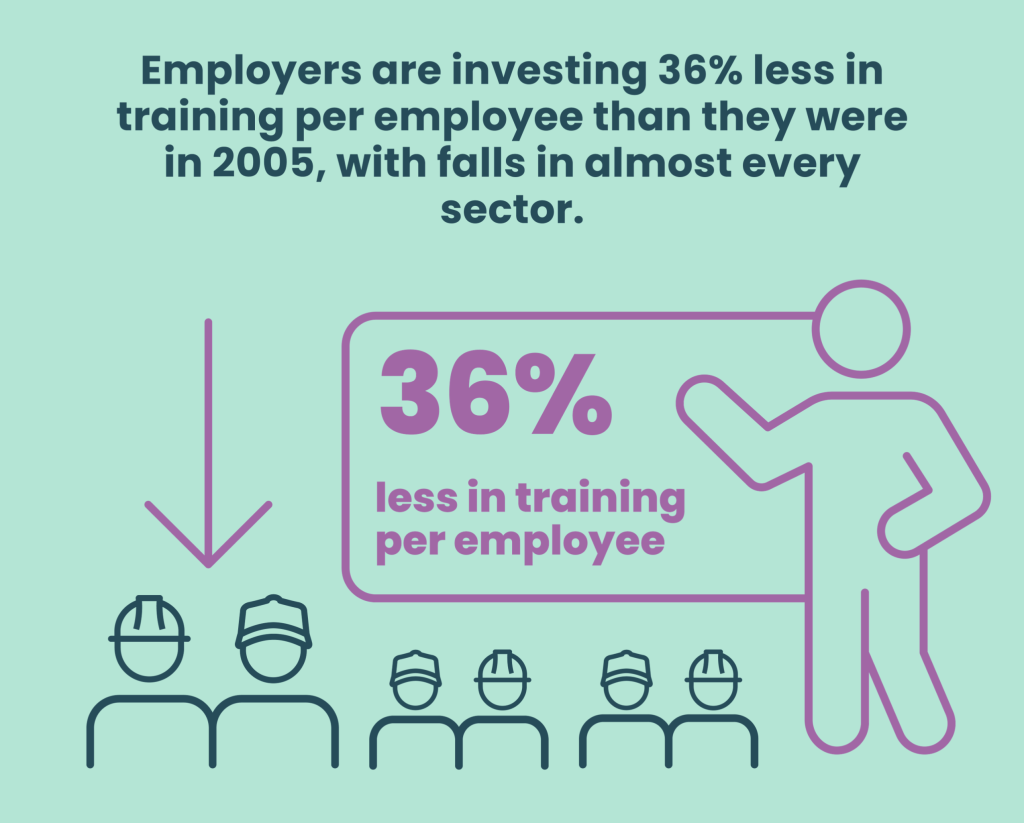
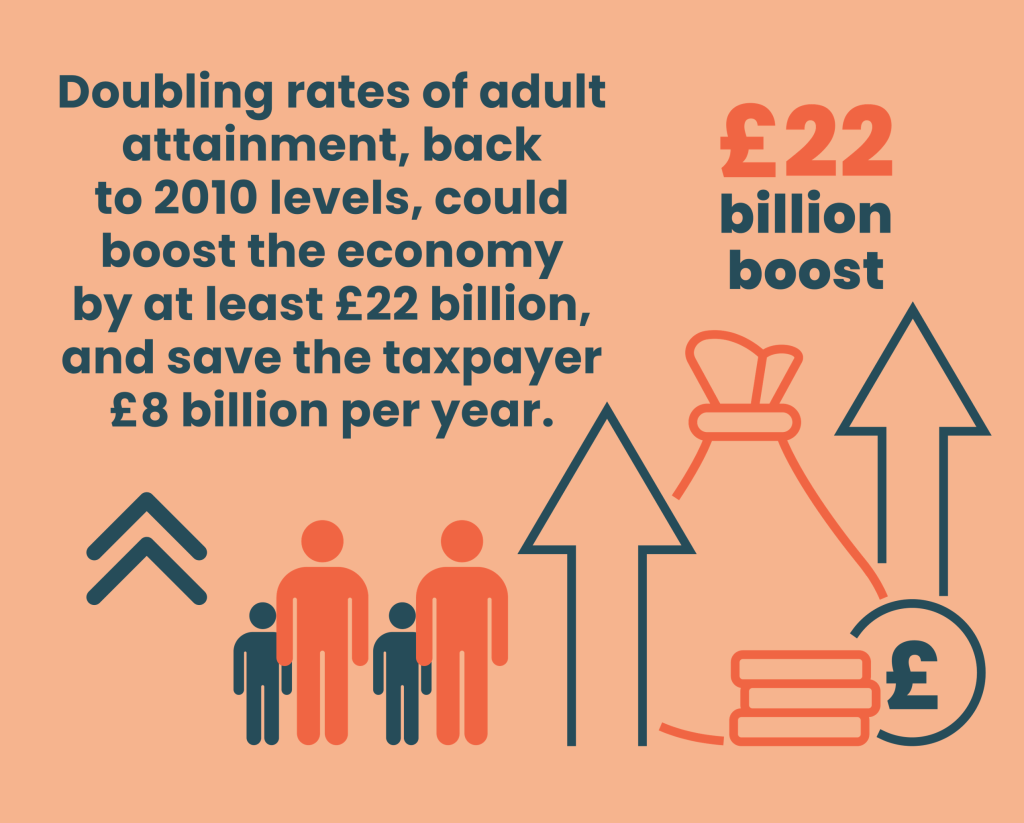
While technology has enabled new ways to learn, government and employer funding cuts mean fewer formal opportunities, unless adults can pay themselves. Adult skills funding in England is £1 billion lower than in 2010, while employers invest one third less training per employee than in 2005. Formal routes can help deepen and embed learning, maximise its social and community benefits, and provide portable skills that benefit people and employers.
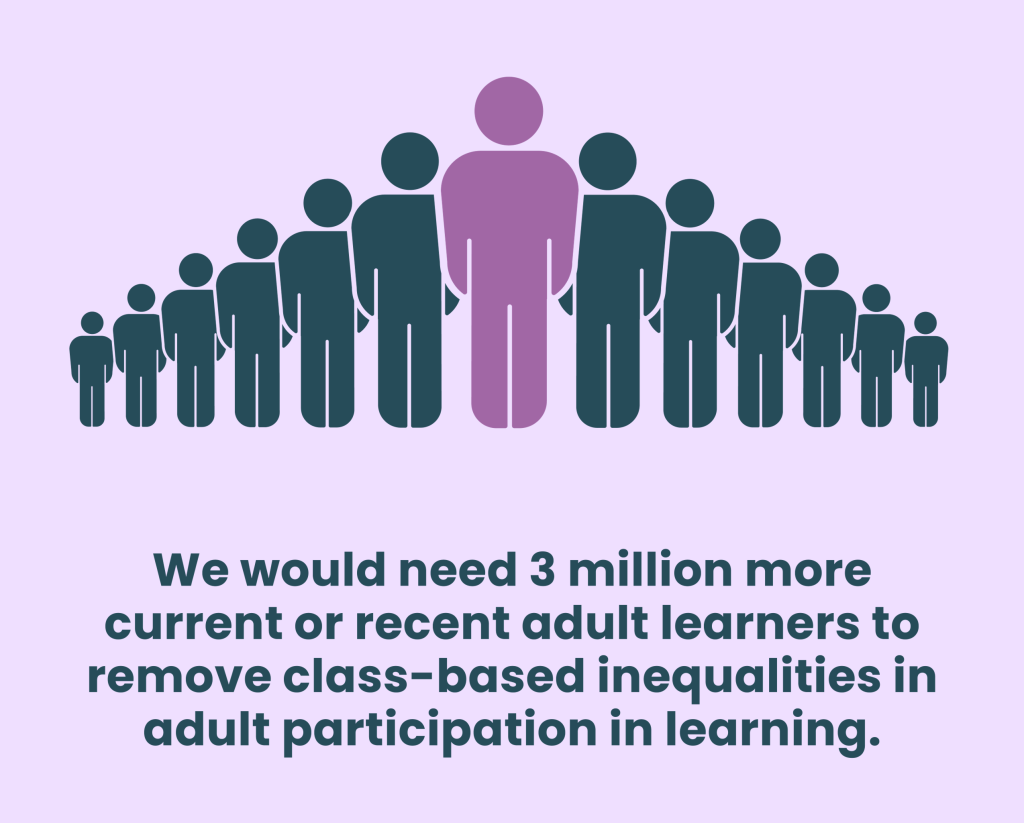
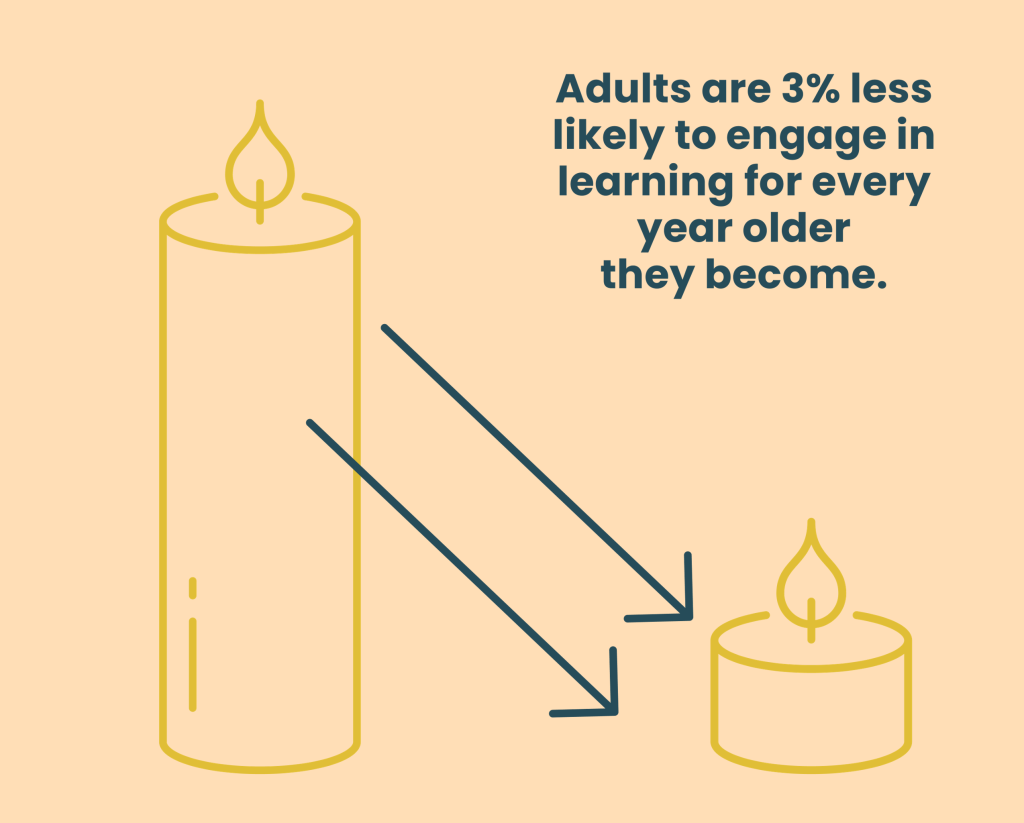
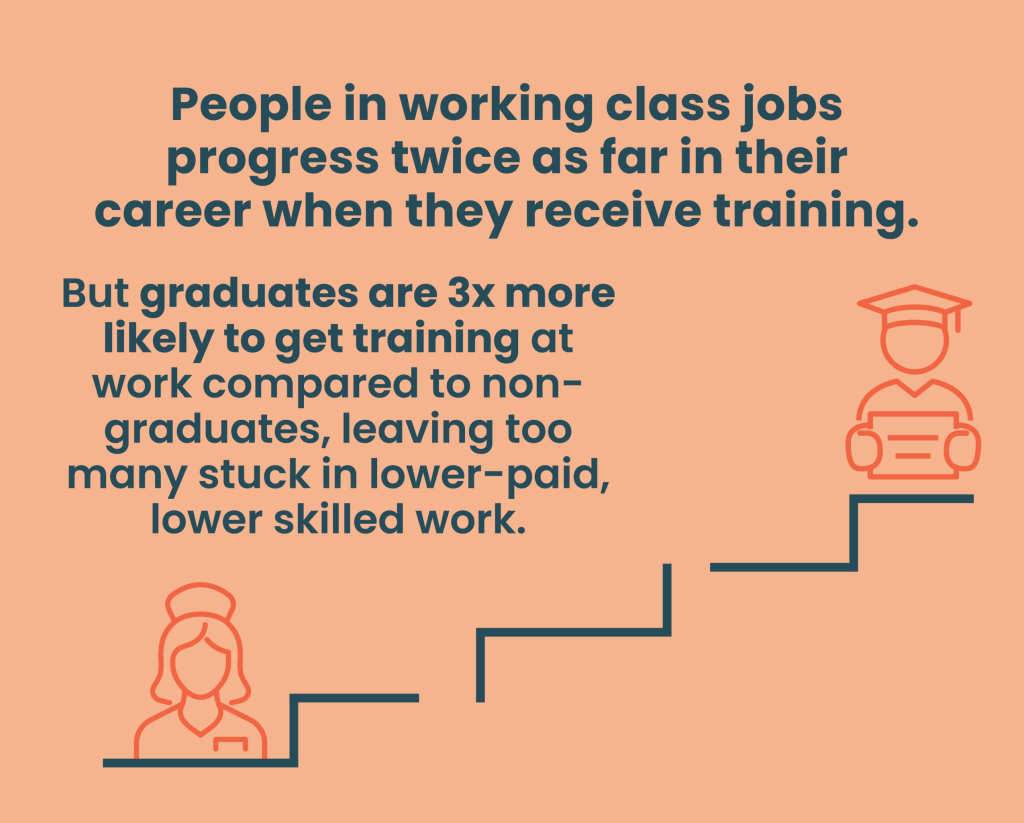
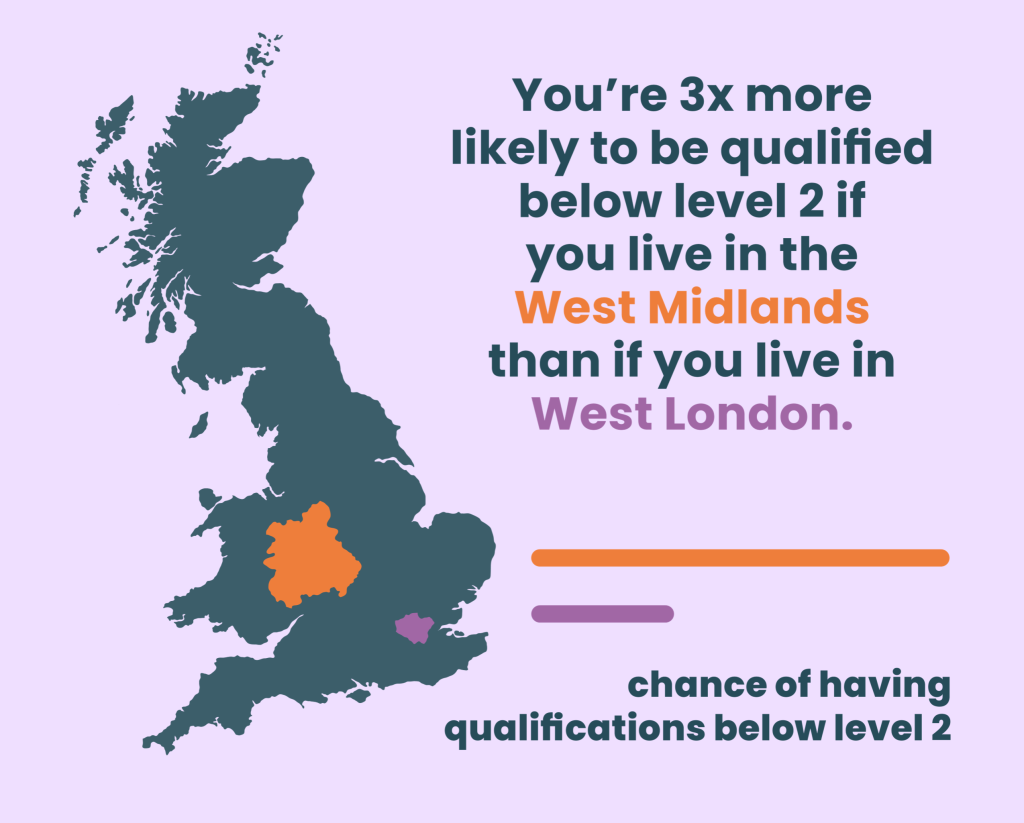
Stark inequalities in access to learning remain, shaped by social class, age and prior education. Adults are 3% less likely to engage in learning for every year older they get. More than 3 million additional adults would be current or recent learners if all social grades matched the participation rate of the highest. Barriers such as cost, feeling too old, and a lack of interest are also cited as having an effect, meaning too many miss out on the benefits of learning.
The apparent stability of the long-term participation rate masks two periods of significant change. Participation fell to a record low of 33% in 2019, following years of declining government and employer investment, before rising rapidly after 2021 as leisure-based, independent and digitally enabled learning expanded, reaching a record high of 52% in 2024. By 2026, however, it had returned to 43%, close to its level 30 years ago. This shows that participation can change substantially, but recent increases have not yet been translated into sustained progress.
The central challenge is therefore not only to raise participation, but to sustain increases over time while narrowing inequalities between groups. Achieving this will require action both to widen access to learning and to build on the growth of leisure-based, independent and digitally enabled learning. New ways of learning for a new century.