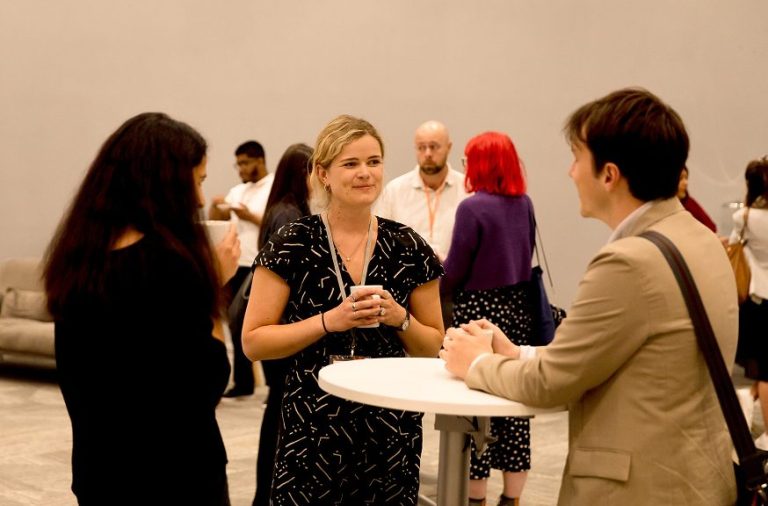
Today marks the end of Lifelong Learning Week 2024 – and what a great week it’s been. With thanks to our partners, we’ve had webinars on learning with technology with Ufi VocTech Trust, essential skills and older people with Age UK, and WEA reflecting on the five years since the Centenary Commission on Adult Education. Together with Carers Trust and City Lit, we hosted an event on supporting young adult carers’ transitions in education and employment. We were thrilled that our patron, HRH The Princess Royal, was in attendance, along with young adult carers and Chris Vince MP.
The Mayor of London Adult Learning Awards on Wednesday was a real highlight as we celebrated winners’ achievements and the many benefits of lifelong learning. And Lifelong Learning Week was a great time to celebrate the winners from our Festival of Learning awards from July and the winners of this year’s West Midlands Adult Learning Awards.
Celebration is an important part of the week and a central purpose of Learning and Work Institute’s Festival of Learning campaign, the longest-running lifelong learning campaign in England. But just because we have plenty to celebrate, it doesn’t mean it’s job done.
As a sector we are only too aware of the issues we face. L&W’s Adult Participation in Learning Survey, published on Monday, once again highlights stark and persistent inequalities, with some groups of adults still missing out. Our blogs from further education and skills leaders emphasise the need to focus on lifelong learning to tackle the challenges, and harness the opportunities, of a changing economy and ageing population.
Participation in learning can be held back by attitudes to learning, including whether people think it will benefit them. It is also limited by more than a decade of public funding cuts, with government investment in skills now £1 billion lower in England than in 2010. Employers are investing 26% less per employee than in 2005, with graduates three times more likely to get training at work than non-graduates. Put simply, we don’t invest in lifelong learning enough and what we do invest is unequally distributed. Lifelong learning needs to be a bigger priority for us all.
Changes in the external environment have prompted us to review our Festival of Learning campaign and how we can have most impact. After 30+ years, we’ve concluded that it’s time to evolve to better tackle the challenges we face today. Our campaigning work will continue to highlight the very best in adult education but have a sharper focus on how we change mindsets and win the argument with policymakers, employers and communities. We will make the case for lifelong learning so it’s valued, invested in, and more people have access.
Lots of organisations are already working to make the case for lifelong learning, but to be most effective, this needs to be more joined up. We’re therefore building the campaign to make it cross and pan sector, building on the foundations and partnerships established through the Festival of Learning.
We want to work with partners to develop a fresh approach that has the best chance of achieving impact. We will build on the best from Festival of Learning: for example, we still intend to run national awards – so look out for nominations next year.
We will continue to develop our plans into early 2025. We’re open to ideas, including how we can engage partners across and outside the sector and build on the excellent work that is already underway. If you’re interested in working with us, we’d love to hear from you.
This article originally appeared in FE News on Friday 8 November 2024.